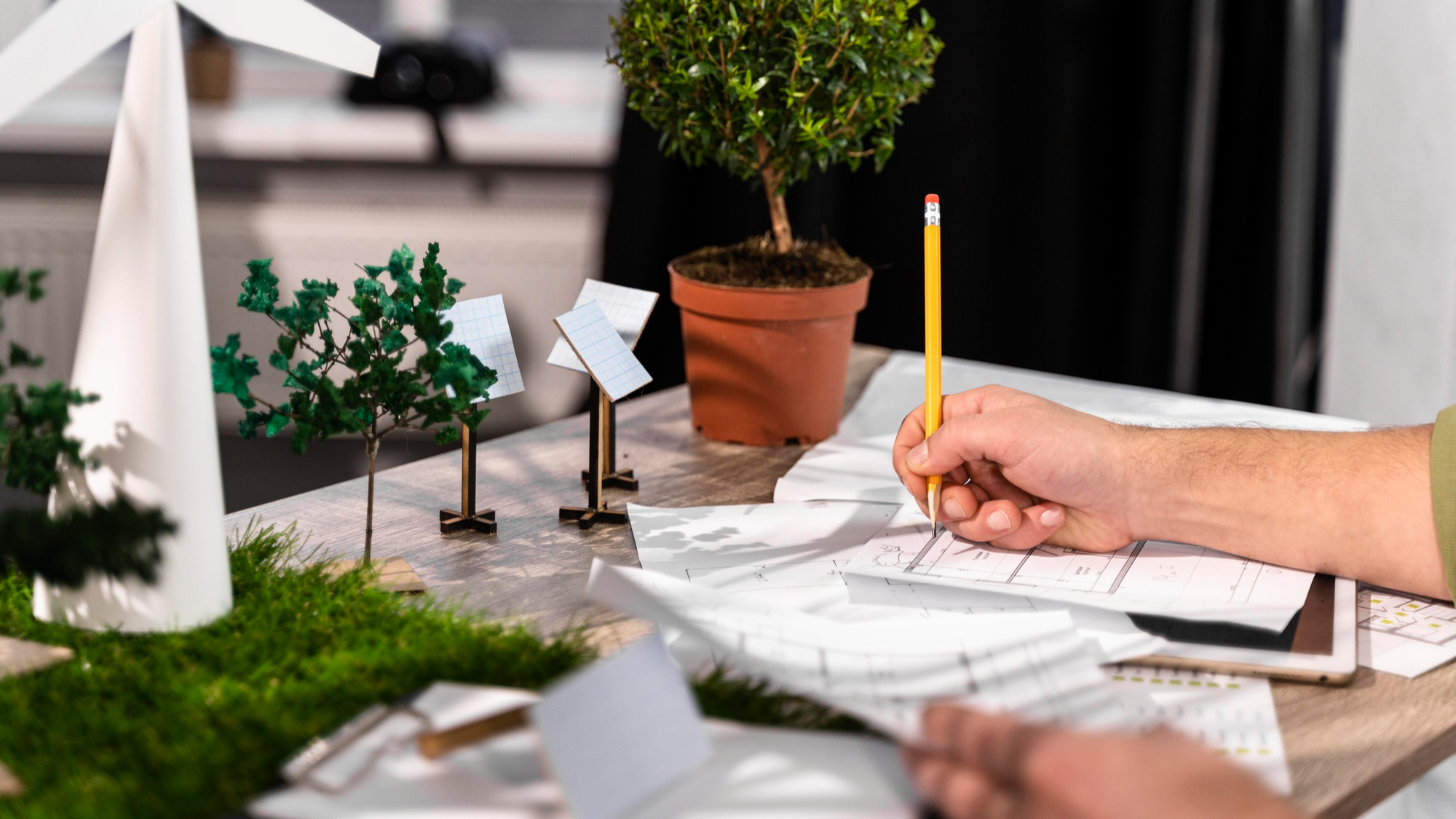
Sustainability has become a defining priority in the UAE’s construction and design industry. As cities like Dubai and Abu Dhabi push toward greener urban development, developers, architects, and property investors are increasingly focusing on green building certifications to meet environmental goals and regulatory requirements.
Two of the most influential sustainability frameworks shaping modern construction in the UAE are LEED (Leadership in Energy and Environmental Design) and the Estidama Pearl Rating System. Both certifications aim to improve building efficiency, reduce environmental impact, and promote sustainable urban development. However, they differ in their approach, regional relevance, and implementation.
Understanding the difference between LEED vs Estidama certification is essential when planning a sustainable project in the UAE. More importantly, integrating the right sustainability strategy during the design phase requires collaboration with experienced firms such as Zara Design Studio, which specializes in sustainable architecture and interior design.
In this article, we explore the key differences between these two certifications, examine current industry trends in green building, and explain how Zara Design Studio helps clients create environmentally responsible spaces.
The Rise of Sustainable Architecture in the UAE
Over the past decade, the UAE has emerged as a global leader in sustainable development. Government initiatives such as the UAE Net Zero 2050 Strategy, Dubai Clean Energy Strategy, and Abu Dhabi Vision 2030 have accelerated the adoption of environmentally responsible construction practices.
Green building certifications now play a major role in the development process. These frameworks encourage developers to focus on:
- Energy efficiency
- Water conservation
- Sustainable materials
- Indoor environmental quality
- Smart building technologies
As sustainability becomes a core design principle, architects and interior designers must integrate eco-friendly strategies from the earliest project stages.
This shift is transforming the architecture and interior design industry, with studios like Zara Design Studio in Dubai increasingly leading projects that combine luxury aesthetics with sustainable performance.
What is LEED Certification?
LEED (Leadership in Energy and Environmental Design) is one of the most widely recognized green building certification systems in the world. Developed by the U.S. Green Building Council (USGBC), LEED provides a framework for designing, constructing, and operating high-performance buildings.
The certification evaluates projects based on several sustainability criteria.
Key LEED Evaluation Categories
- Energy and atmosphere
- Water efficiency
- Sustainable sites
- Materials and resources
- Indoor environmental quality
- Innovation in design
Buildings receive certification based on a points system, with four levels of recognition:
- LEED Certified
- LEED Silver
- LEED Gold
- LEED Platinum
Many iconic projects in the UAE have achieved LEED certification, demonstrating the region’s commitment to environmentally responsible construction.
For developers targeting international investors, luxury developments, or corporate headquarters, LEED certification offers strong global recognition.
What is Estidama Certification?
While LEED is internationally recognized, Estidama was developed specifically for the environmental conditions of the UAE.
The word Estidama means sustainability in Arabic. The system was created by the Abu Dhabi Urban Planning Council to support long-term sustainable development in the region.
The Estidama framework is implemented through the Pearl Rating System (PRS).
Pearl Rating Levels
Buildings receive ratings from 1 Pearl to 5 Pearls, depending on sustainability performance.
- 1 Pearl – Minimum sustainability requirement
- 2 Pearls – Standard rating for many developments
- 3–5 Pearls – Higher levels of environmental performance
Estidama places particular emphasis on sustainability challenges specific to the region, including:
- Water scarcity
- Desert climate conditions
- Cultural and social sustainability
- Energy efficiency in hot climates
Because of this regional focus, Estidama is widely used for projects in Abu Dhabi and government developments.
LEED vs Estidama: Key Differences
Although both certification systems promote sustainability, their goals and applications differ.
Feature
LEED
Estidama
Origin
United States
Abu Dhabi
Scope
Global certification
Regional framework
Rating Levels
Certified, Silver, Gold, Platinum
1–5 Pearl Rating
Main Focus
Environmental performance
Regional sustainability priorities
Usage
International projects
UAE-focused developments
Developers often choose LEED for international credibility, while Estidama is preferred for projects that must meet local regulatory requirements.
Industry Trends Driving Green Certifications in the UAE
The increasing adoption of LEED and Estidama reflects broader changes in the architecture and construction industry.
1. Smart Sustainable Buildings
Smart technology is becoming a major component of green building design. Modern developments integrate:
- Intelligent lighting systems
- Energy monitoring platforms
- Automated climate control
- Smart shading technologies
These solutions help improve energy efficiency and support higher certification ratings.
2. Sustainable Interior Design
Interior design now plays a crucial role in achieving sustainability goals. Designers increasingly use:
- Low-VOC materials
- Recycled or responsibly sourced finishes
- Energy-efficient lighting
- Sustainable furniture and fixtures
Studios specializing in eco-friendly interior design, such as Zara Design Studio, are helping developers align design aesthetics with environmental performance.
3. Water Conservation Solutions
Water scarcity is one of the region’s biggest environmental challenges. As a result, green buildings increasingly integrate:
- Greywater recycling systems
- Smart irrigation systems
- Low-flow plumbing fixtures
- Water-efficient landscaping
These strategies are especially emphasized in Estidama certification standards.
4. Sustainable Luxury Design
Luxury developments in Dubai and Abu Dhabi are increasingly combining high-end design with sustainability.
Buyers and investors now expect properties that deliver:
- Premium aesthetics
- Smart home technology
- Energy efficiency
- Environmentally responsible materials
This trend is redefining luxury architecture and interior design across the UAE.
How Zara Design Studio Supports Sustainable Projects
Achieving green building certification requires careful planning and design expertise. Zara Design Studio has become a trusted partner for developers seeking innovative and sustainable design solutions in the UAE.
The studio integrates sustainability into every stage of the design process, ensuring that projects meet both environmental standards and aesthetic expectations.
Sustainable Design Strategy
Zara Design Studio focuses on:
- Energy-efficient interior layouts
- Sustainable material selection
- Smart lighting systems
- Climate-responsive design solutions
- Space planning that supports environmental performance
By aligning architecture and interior design with sustainability frameworks, the studio helps clients meet LEED and Estidama requirements.
Collaborative Design Process
Green building projects require coordination between multiple disciplines.
Zara Design Studio collaborates with:
- Architects
- Sustainability consultants
- Engineers
- Developers
This collaborative approach ensures that sustainability strategies are integrated across the entire project lifecycle.
Future-Focused Design Innovation
As the UAE moves toward carbon-neutral development, design firms must balance creativity with environmental responsibility.
Zara Design Studio continues to lead projects that combine luxury design, smart technology, and sustainability, helping developers create future-ready spaces.
Choosing the Right Certification for Your Project
Selecting between LEED and Estidama depends on several factors.
LEED is ideal if:
- Your project targets international markets
- Global sustainability recognition is important
- The development is part of a multinational brand
Estidama is ideal if:
- Your project is located in Abu Dhabi
- Compliance with local regulations is required
- Sustainability strategies must address regional environmental challenges
In some cases, developers pursue both certifications to maximize sustainability performance and market appeal.
Conclusion
Sustainable design is no longer a trend—it is a fundamental requirement for modern development in the UAE. Certifications such as LEED and Estidama provide structured frameworks that help developers create environmentally responsible buildings while improving operational efficiency.
Choosing the right certification depends on the project’s goals, location, and target market. However, successful implementation always requires experienced design expertise.
With its focus on innovative architecture, sustainable interiors, and smart design solutions, Zara Design Studio continues to support developers in creating environmentally responsible projects that meet the highest industry standards.
FAQs
1. What is the difference between LEED and Estidama certification?
LEED is a global green building certification system developed by the U.S. Green Building Council, while Estidama is a regional sustainability framework created for Abu Dhabi and the UAE.
2. Is Estidama certification mandatory in Abu Dhabi?
Yes, most new developments in Abu Dhabi must comply with the Estidama Pearl Rating System.
3. Which certification is better for UAE projects?
It depends on the project goals. LEED offers global recognition, while Estidama focuses on regional sustainability priorities.
4. Can buildings achieve both LEED and Estidama certification?
Yes, some projects pursue both certifications to meet international sustainability standards and local regulatory requirements.
5. How does interior design contribute to green building certification?
Interior design supports sustainability through energy-efficient lighting, eco-friendly materials, improved indoor air quality, and smart space planning.